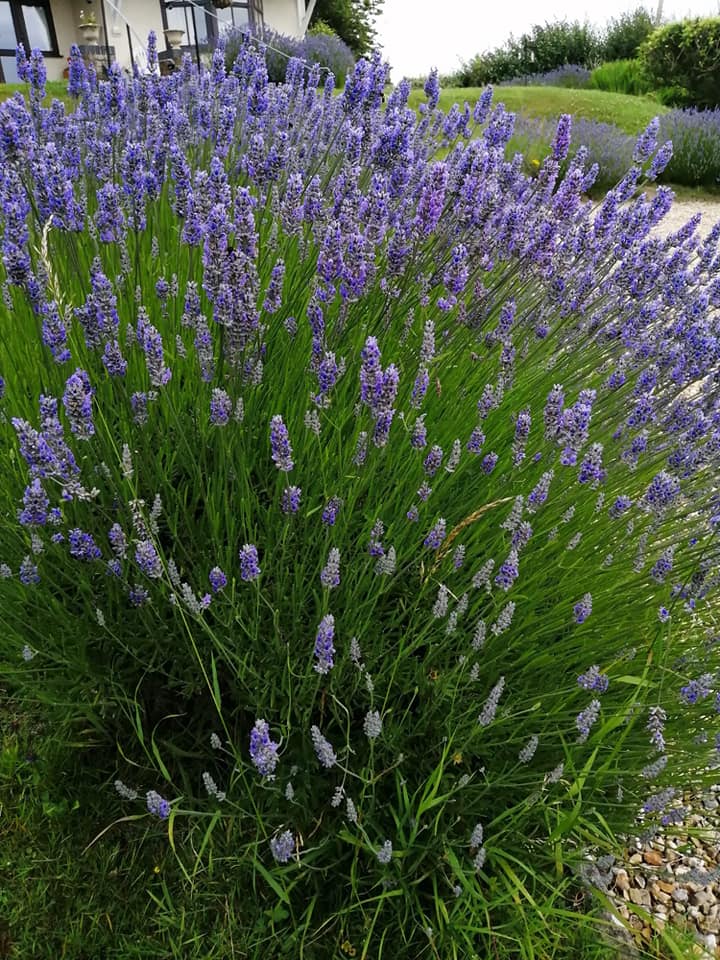
There is perhaps no scent more evocative of a soothing British summer garden than lavender. The sight of those hazy purple spikes swaying in the breeze, buzzing with contented bees, is enough to lower anyone’s blood pressure.
However, many UK gardeners are hesitant to try growing it. After all, lavender is native to the sun-baked, arid hills of the Mediterranean. Can it really thrive in our famously damp, often grey climate?
The short answer is: Yes, absolutely.
Growing stunning, fragrant lavender in the UK is entirely possible, provided you follow a few golden rules to help it cope with our wetter weather.
Here is your guide to successfully bringing “blue gold” into your garden, and what to do when harvest time arrives.
1. Choosing the Right Variety for the UK
This is the first hurdle. Not all lavenders are created equal when faced with a British winter.
- The Best Bet: English Lavender (Lavandula angustifolia) Despite the name, it’s not native to England, but it is the hardiest variety and best suited to our climate. Varieties like ‘Hidcote’ (deep purple) or ‘Munstead’ (softer blue-purple) can withstand temperatures down to -15°C and cope better with winter wet than others.
- The Hybrid Option: Lavandin (Lavandula x intermedia) These are larger, vigorous plants often seen in commercial French fields. Varieties like ‘Grosso’ are very hardy and produce huge amounts of scent, making them great for drying.
- The “Avoid” List (For outdoors): French/Spanish Lavender (Lavandula stoechas) These are the ones with the distinctive “bunny ears” on top of the flower spike. They are beautiful but tender. They hate wet winters and will likely perish if left in border soil year-round. Only grow these in pots that can be moved into a greenhouse over winter.
2. Location, Location, Drainage
In the UK, you cannot treat lavender like a standard bedding plant. It hates having “wet feet.” If its roots sit in waterlogged soil, it will rot and die.
- Sunlight: Lavender needs full sun. Find the hottest, brightest spot in your garden—a south-facing border is ideal. It needs at least 6-7 hours of direct sunlight a day during summer to flower well.
- Soil Drainage: This is crucial. Lavender prefers poor, free-draining soil. If you have heavy clay soil, you must amend it. Dig in plenty of horticultural grit or sharp sand to improve drainage before planting.
- Airflow: Because our climate is damp, fungal diseases can occur. Plant your lavender with enough space around it so that air can circulate freely between the foliage.
3. The Art of Pruning (The UK Secret)
If left unpruned, lavender in the UK quickly becomes woody, leggy, and splayed open, with all the flowers flopping onto the grass.
Pruning is essential for longevity. The rule is simple: Prune hard, but never into old wood.
- When: The best time is late summer, immediately after flowering finishes (usually late August or very early September). This gives the plant time to heal before winter frosts.
- How: Take a pair of hedge shears. Gather a clump and snip off the flower stalks and about 2-3cm (an inch) of the current year’s green leafy growth. You want to be left with a neat, rounded mound of silvery-green foliage.
- The Warning: Look closely at the stem. You will see where the green growth turns into brown, woody stem. Do not cut into that brown wood. If you cut below the green growth line, that part of the plant will not re-shoot.
4. The Reward: Harvesting Your Scent
If you’ve followed the steps above, by mid-summer, you will have a glorious display. But the joy of lavender doesn’t have to stay in the garden.
Harvest your lavender on a dry morning after the dew has evaporated. The scent is strongest just before the individual florets on the spike fully open.
Tie the stems into small bunches with twine and hang them upside down in a dark, dry, airy place (a shed, garage, or airing cupboard is perfect). Let them dry for two to four weeks until they are brittle.
Making the Most of Your Harvest with Conoor
Once your lavender is crisp and dry, you can gently rub the flower heads between your palms to strip the highly fragrant buds from the stems. Suddenly, you have a bowl full of incredible, natural potpourri.
What is the best way to store this scent and spread it around your home, wardrobe, or linen drawers?
You need breathable, attractive sachets.
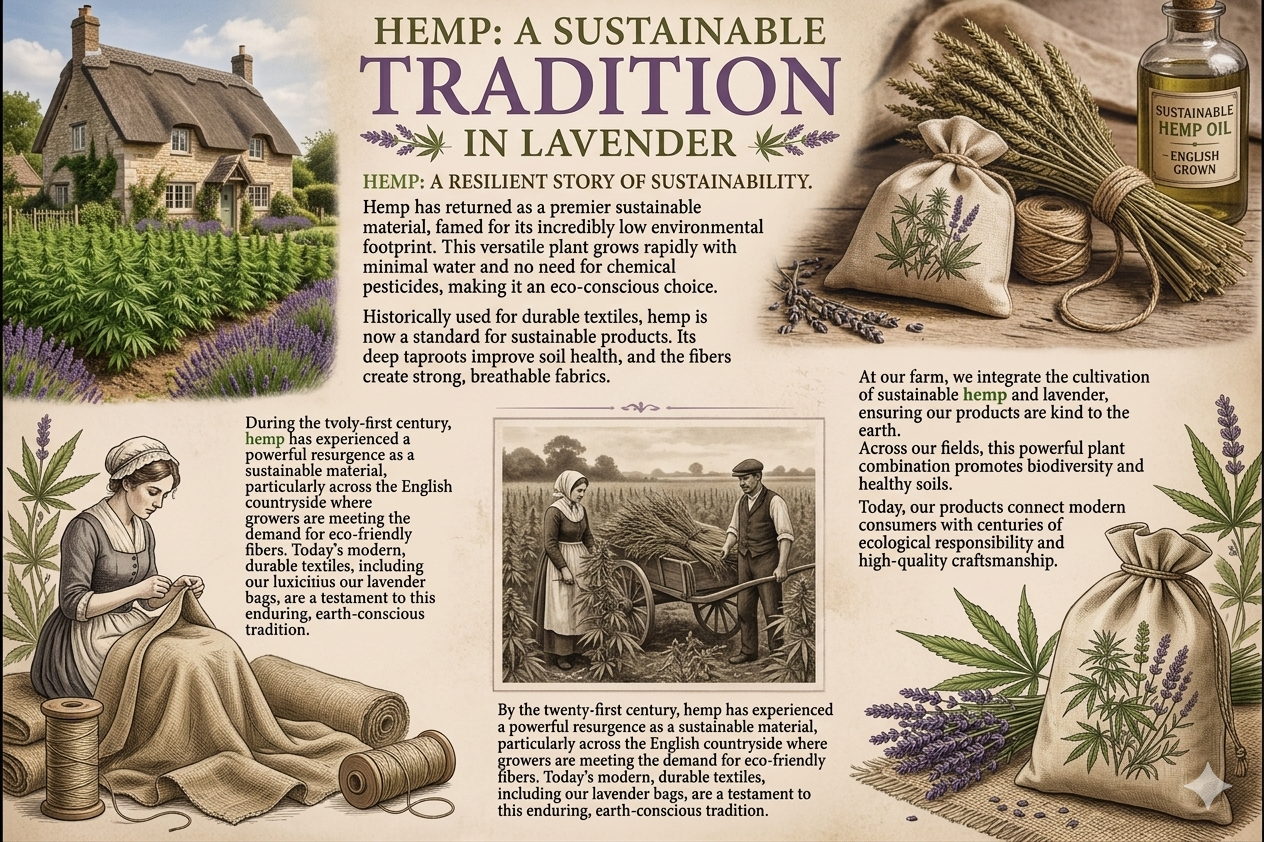
At Conoor Lavender Bags, we have the perfect solution for your home-grown harvest. We are currently running a sale on our empty lavender bags.